
In this guide
The promise matters when you return
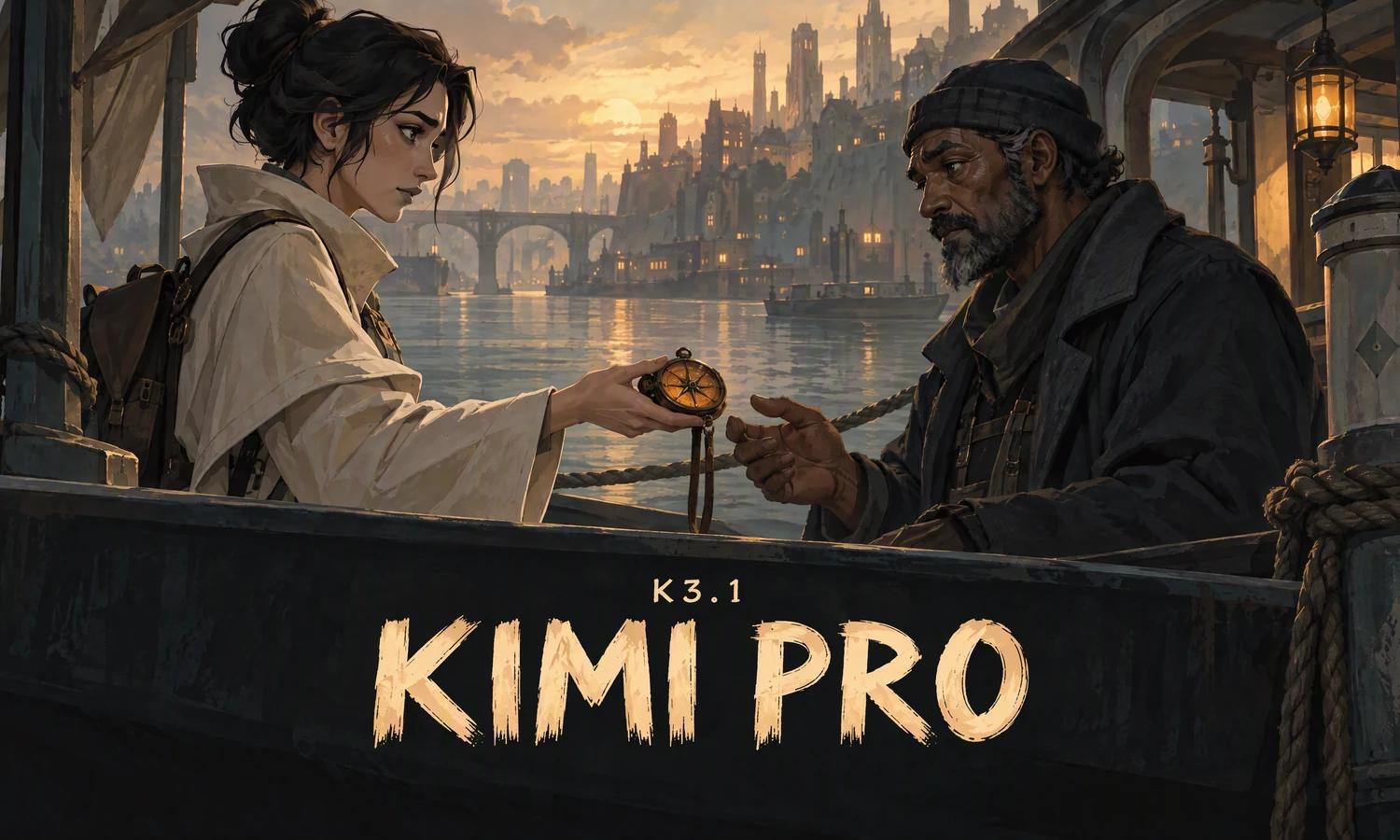
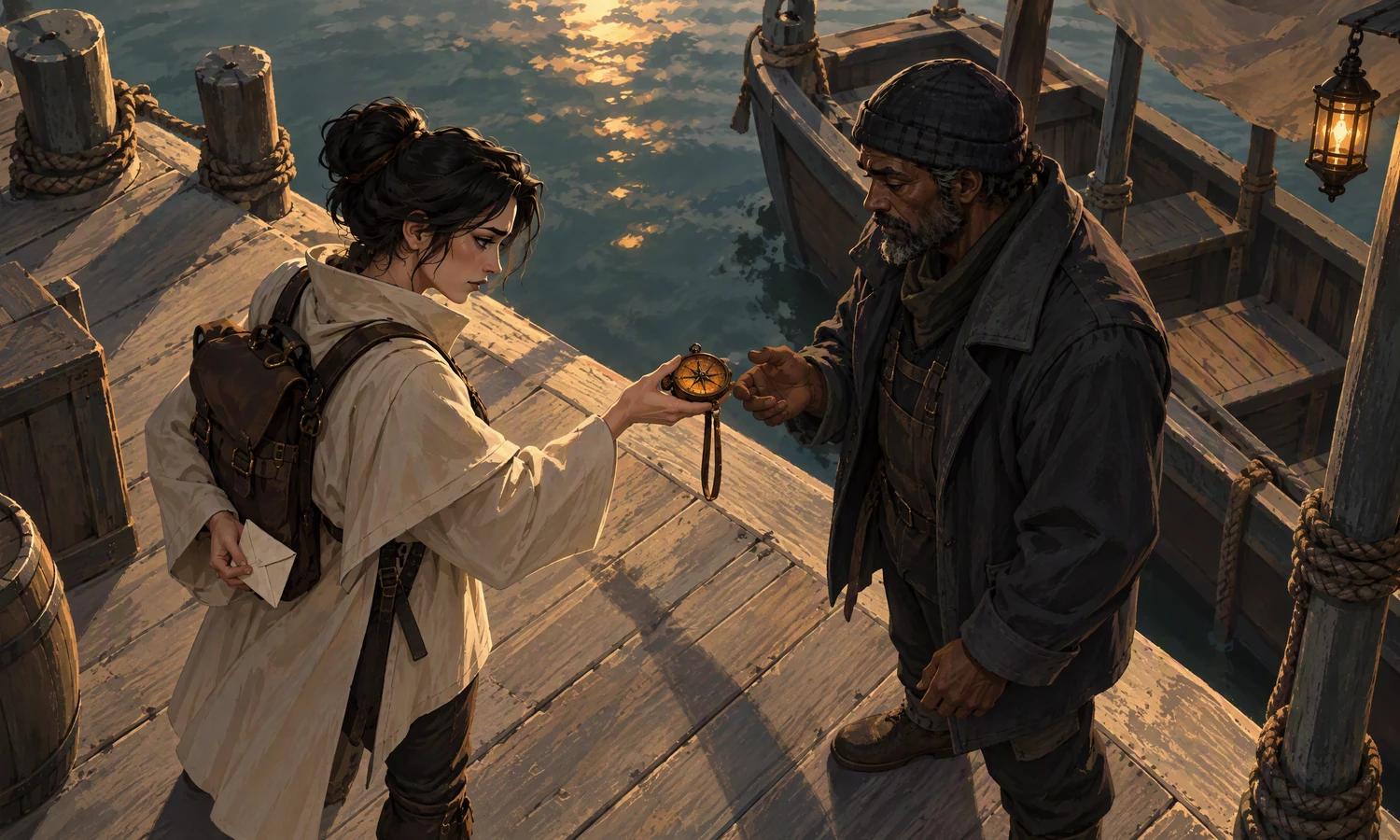
Three adventures ago, you promised a ferryman that you would find his missing sister. Now you return with her compass. He should recognize it, remember your promise, and react to what you actually discovered. Campaign memory is what turns a string of scenes into a world that feels connected.
Kimi’s official name for the model sometimes shortened to Kimi 3.1 Pro is Kimi K3.1 Pro. Its announcement describes a one-million-token context window and availability through Kimi products and the API. Researched October 27, this article considers what that capacity could mean for an AI GM; it is not a claim that Kimi is integrated into Playworlds.
Remember what changes the current decision
A large context window creates room for campaign material, but the GM still needs to identify what matters. At the ferry, the useful facts are the promise, the compass, what the ferryman knows, and the last confirmed sighting of his sister. A description of a distant city’s festival can wait until it becomes relevant.
For a proposed Kimi-powered narrator, we would organize the current scene around a short record of established facts, unresolved questions, and active commitments. Longer history could supply supporting detail. The goal would be to bring the right memory into a reply without making every exchange repeat the entire campaign.
Keep player knowledge and NPC knowledge distinct
You may know that the sister joined a smugglers’ guild because you found a letter in a locked room. The ferryman does not know until someone tells him. If the AI lets every character share the whole transcript’s knowledge, a mystery can collapse even while the model appears to remember everything.
Write down who learned each consequential fact and how. A rumor can remain a rumor; a hidden letter can remain private. When you present the compass, the ferryman can ask where it came from. That question invites roleplay and leaves you free to reveal the letter, conceal it, or ask what he already suspects.
Let discoveries update the record without rewriting the past
Suppose the sister is alive and deliberately avoiding home. That revelation changes the quest. It should not erase the earlier fact that the ferryman believed she was missing. A satisfying GM can hold both facts together and make their disagreement part of the story.
The campaign record should distinguish an earlier belief from a later discovery. The same applies to spent resources and completed actions: the narrator should consult the saved outcome before describing what remains. Long-context reasoning is useful material for a GM, while the adventure’s recorded state still needs to stay consistent.
Test memory through consequences
To evaluate Kimi K3.1 Pro, introduce a promise early, spend several scenes elsewhere, then return to the ferryman without restating it. Check whether he remembers the promise accurately, whether he knows only what he should, and whether the next scene gives you a meaningful choice.
Repeat with a false rumor corrected later, an item given away, and a quest resumed after a reload. Count contradictions and accidental revelations, as well as how often the player must repair the story. A context-window specification alone cannot establish how well a model will run a long AI D&D campaign.
Start with one promise and one unresolved question
Create an original river-town adventure where each ferry crossing costs a favor. Your character owes the ferryman a search for his sister, while the compass points away from every known road. Begin by asking what she took when she left. Let that answer shape where you go next.
Playworlds gives you worlds, character creation, dice, and saved solo adventures for exploring continuity today. This Kimi design remains a research direction. Whether the campaign lasts an evening or several weeks, the experience improves when an earlier choice returns with a consequence you recognize.