
In this guide
Keep the conversation alive at the table
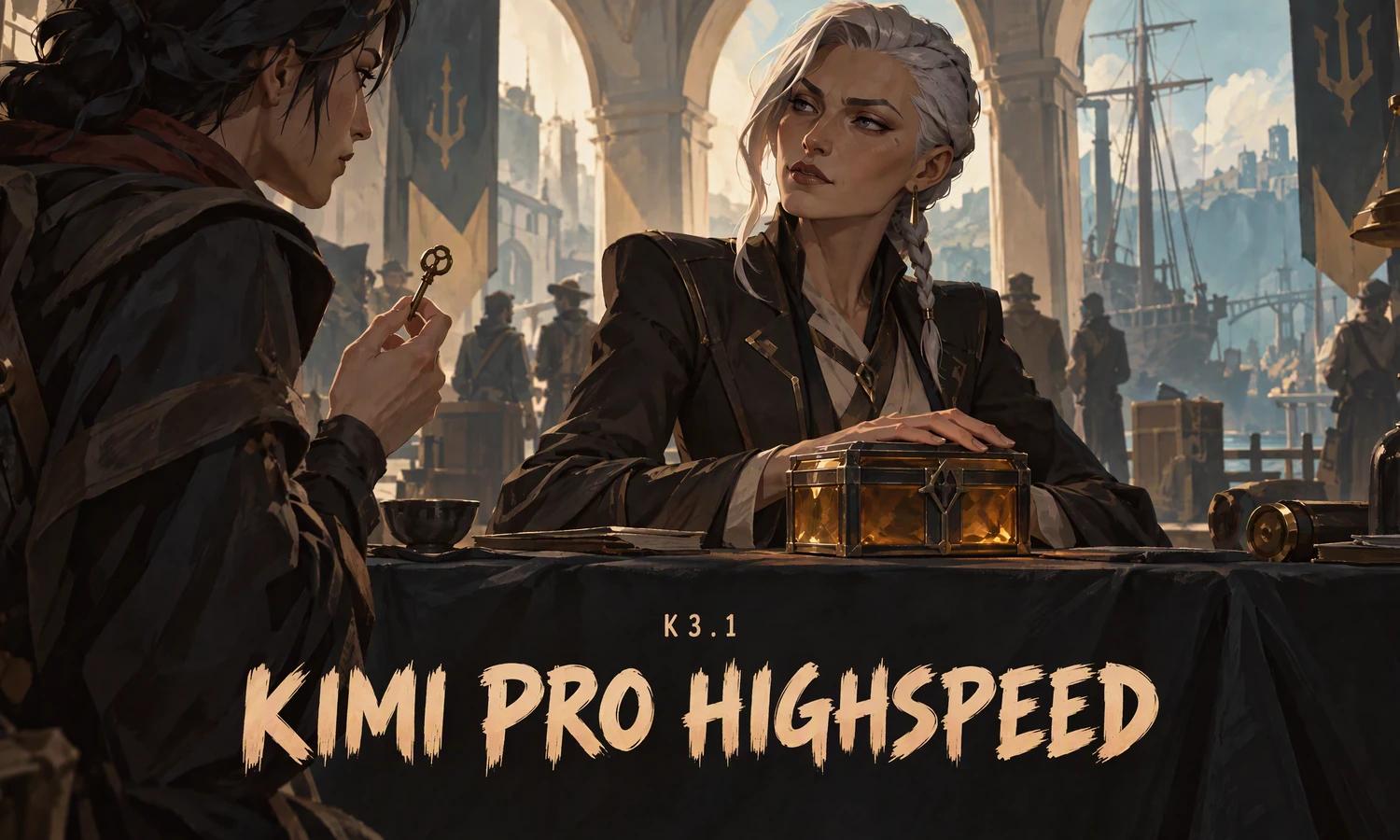
The auctioneer is selling a sealed box that hums whenever you approach. You ask where it came from. She pauses, studies your face, and asks whether you represent its owner. A short reply can move a roleplaying scene further than a page of background lore.
Kimi says K3.1 Pro Highspeed delivers two to three times the speed of K3.1 Pro. That is the provider’s claim, rather than a measurement of NPC dialogue or Playworlds turn latency. This October 27 research article explores how we would test the model for more responsive AI D&D conversations; no Kimi integration is announced here.
Give the NPC a reason to choose their words
An interesting NPC needs a goal, something they fear, and a limit on what they know. Our auctioneer wants the sale completed before sunset, fears being recognized by a former accomplice, and knows only that the box came from a shipwreck. She can be evasive without becoming all-knowing.
Ask the narrator to answer the player’s latest question in character, show one revealing behavior, and leave space for a response. If you mention the wreck, she might stop smiling and offer a private conversation. That reaction gives you information while preserving the choice to follow her, press publicly, or walk away.
Make voices distinct through behavior
Distinct characters do not all need elaborate accents or repeated catchphrases. The auctioneer answers with questions, the dockworker names exact prices, and the retired navigator refuses to speculate about a route he has never sailed. Their habits reflect what each person values.
A useful Kimi trial would give each NPC a brief description of those habits and see whether they persist under pressure. Ask an ordinary question, make an accusation, then offer help. The character should adapt to the exchange without becoming a different person or exposing every secret just because the player asked directly.
Let the player change the direction of the scene
If you interrupt the negotiation to inspect the box, the GM should address that action before continuing the conversation. The auctioneer may object, and opening it may require a ruling. A fast dialogue model should still respond to the move the player actually made.
Keep an invitation, an attempt, and a resolved outcome distinct. Being offered the box does not mean accepting it; saying you reach for it does not guarantee you obtain it. This distinction is especially useful in quick exchanges, where an over-eager narrator might otherwise rush through several decisions in one reply.
Compare responsiveness and character consistency together
Test K3.1 Pro and Highspeed with the same scene facts and similar output lengths. Record time to first text and time to a complete usable reply. Include any waiting for rules, tools, and saving when assessing the player’s experience, since model throughput is only one part of a turn.
Review whether each reply answers the question, respects the NPC’s knowledge, and leaves the player’s decisions open. Repeat across bargaining, a suspicious witness, and a friendly conversation. Shorter waits would be valuable, but they would not compensate for a witness revealing a clue they never learned.
Try the shipwreck auction as a solo adventure
For an original Playworlds premise, create a harbor where salvaged objects remember their owners. Your character arrives at an auction carrying a key that fits the humming box. Give yourself a personal reason to recover it, then start with a question instead of a fight.
The scene works with the worlds and solo gameplay available in Playworlds today. Kimi Highspeed is a model to evaluate for future use. The design goal is straightforward: NPCs who answer promptly, act from understandable motives, and make you curious enough to ask the next question.